Komodo National Park - Gateway to Indonesia's Island Paradise

Komodo National Park: Gateway to Indonesia's Most Extraordinary Island Paradise

Encompassing 1,733 square kilometers across 29 islands in the Lesser Sunda Islands, Komodo National Park stands as one of the world's most extraordinary natural treasures. This UNESCO World Heritage Site protects the legendary komodo dragons – the world's largest living lizards – alongside pristine marine ecosystems that rank among the planet's richest biodiversity hotspots.

The Destination

Why Komodo National Park Captivates Discerning Travelers

Komodo National Park Indonesia offers an unparalleled combination of terrestrial and marine wonders. Beyond the iconic komodo dragons, this protected area encompasses dramatic volcanic landscapes, rare pink sand beaches, and underwater realms teeming with over 1,000 fish species and 260 coral species.

The park's unique location at the convergence of Pacific and Indian Ocean currents creates nutrient-rich waters supporting extraordinary marine biodiversity. From manta rays gliding through crystal-clear waters to vibrant coral gardens that rival any on Earth, Komodo National Park diving experiences consistently rank among the world's finest.

UNESCO World Heritage Site

Recognized globally since 1991

5,000+ Wild Komodo Dragons

Largest living lizards on Earth

World's Best Diving

Part of the Coral Triangle biodiversity hotspot

Natural Wonders

Unparalleled Natural Wonders Await

Explore UNESCO World Heritage sites, rare pink sand beaches, and dramatic landscapes that define Indonesia's natural grandeur

Komodo Island

Komodo Island

The namesake island and original home of komodo dragons. Spanning 390 square kilometers, Komodo Island features rugged volcanic terrain, dry savannah grasslands, and pristine beaches. This island hosts the largest single population of these prehistoric predators in their natural habitat.

  • Guided treks to observe wild komodo dragons
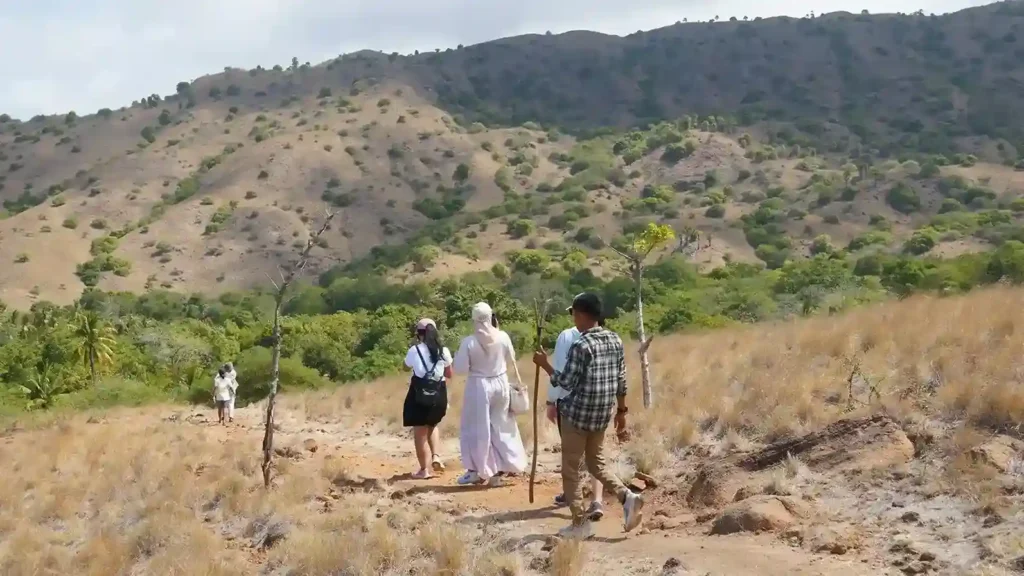
  • Multiple trekking routes: Short (1 hour), Medium (2 hours), Long (3-4 hours)
  • Dramatic landscapes combining savannah, forest, and coastline
Rinca Island

Rinca Island

Located closer to Labuan Bajo than Komodo Island, Rinca offers the highest density of komodo dragons in the park. The island's more compact size and concentrated dragon population often provides more reliable sightings, making it increasingly popular among visitors.

  • Highest komodo dragon population density
  • Shorter boat journey from Labuan Bajo (2 hours vs 4 hours)
  • Panoramic hilltop viewpoints overlooking the archipelago
Padar Island

Padar Island

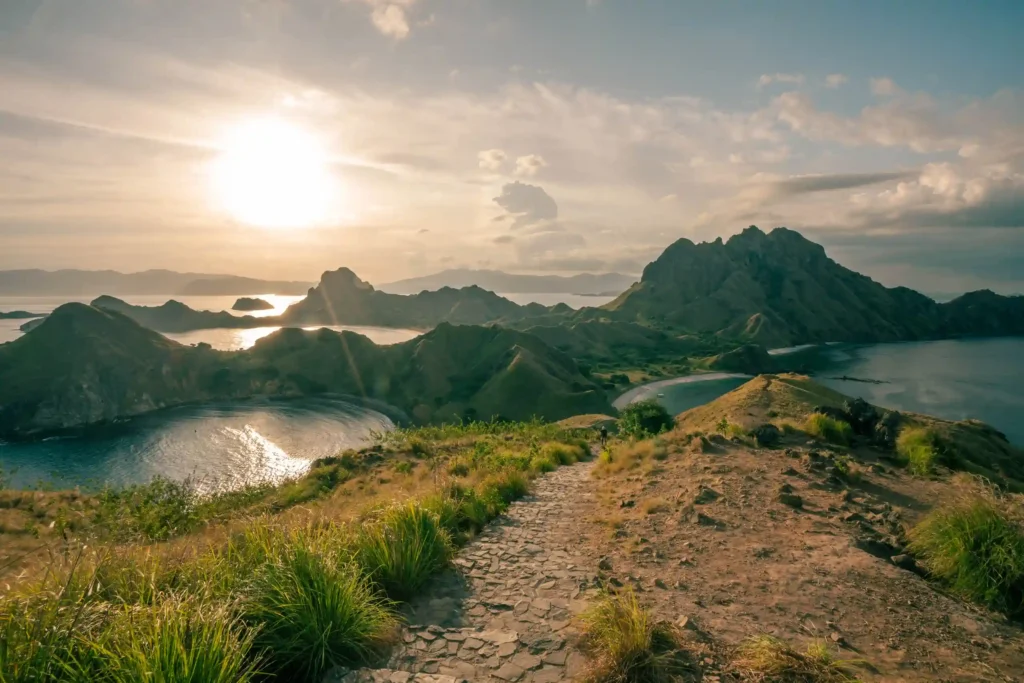
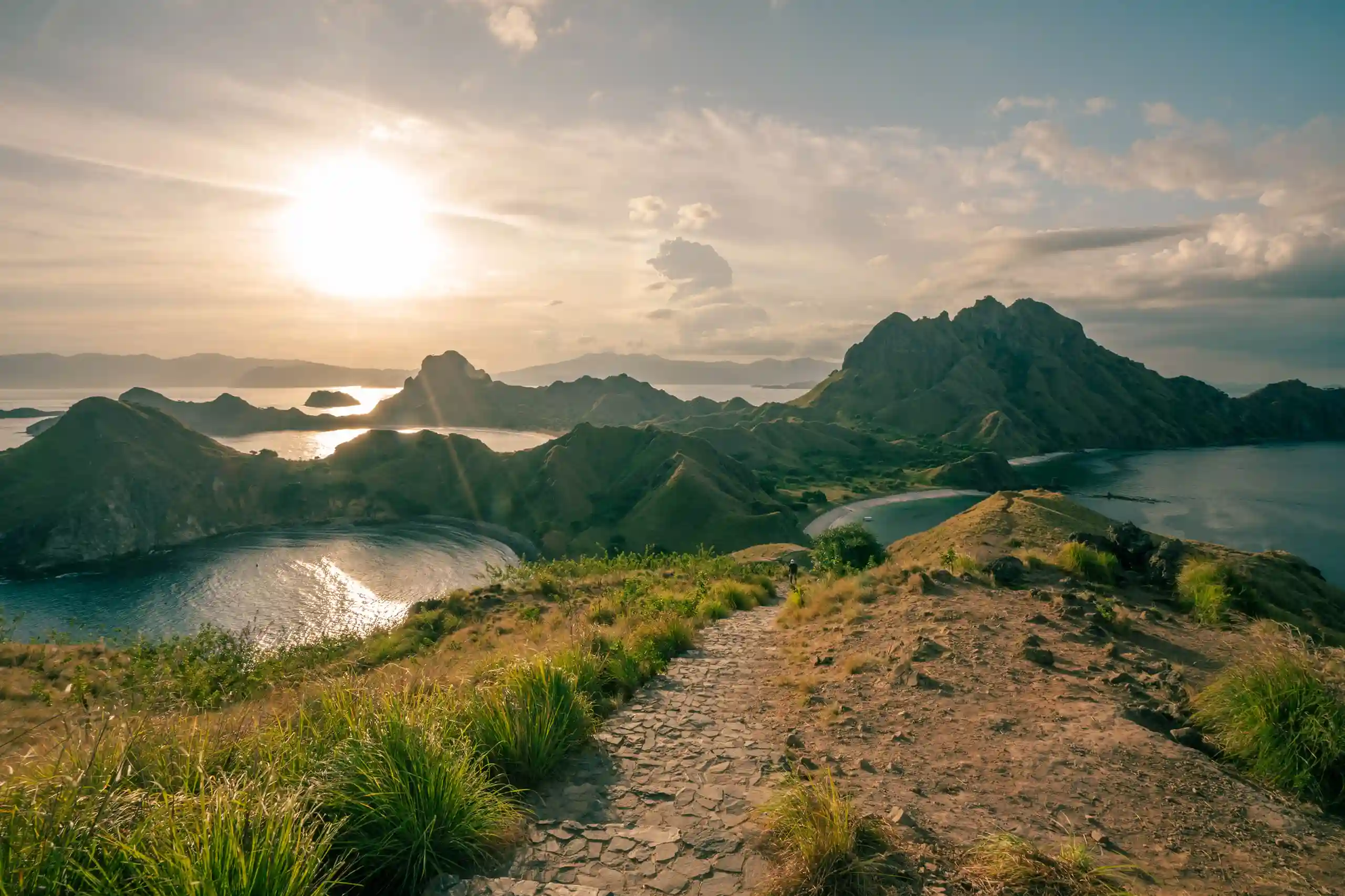
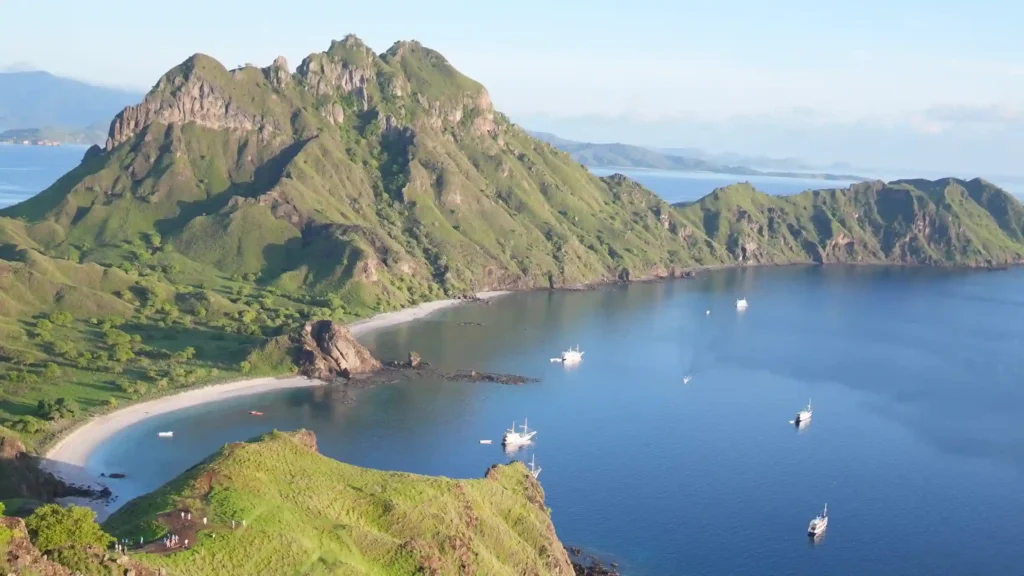
Home to Indonesia's most photographed landscape. The iconic viewpoint showcases three bays with distinctly colored beaches – white, black, and pink – framed by dramatic hills descending into turquoise waters. This uninhabited island offers pure, untouched natural beauty.

  • Trek to the summit for 360° panoramic views
  • Three different colored beaches visible from one viewpoint
  • Relatively short but steep hike (30-45 minutes to summit)
Pink Beach

Pink Beach

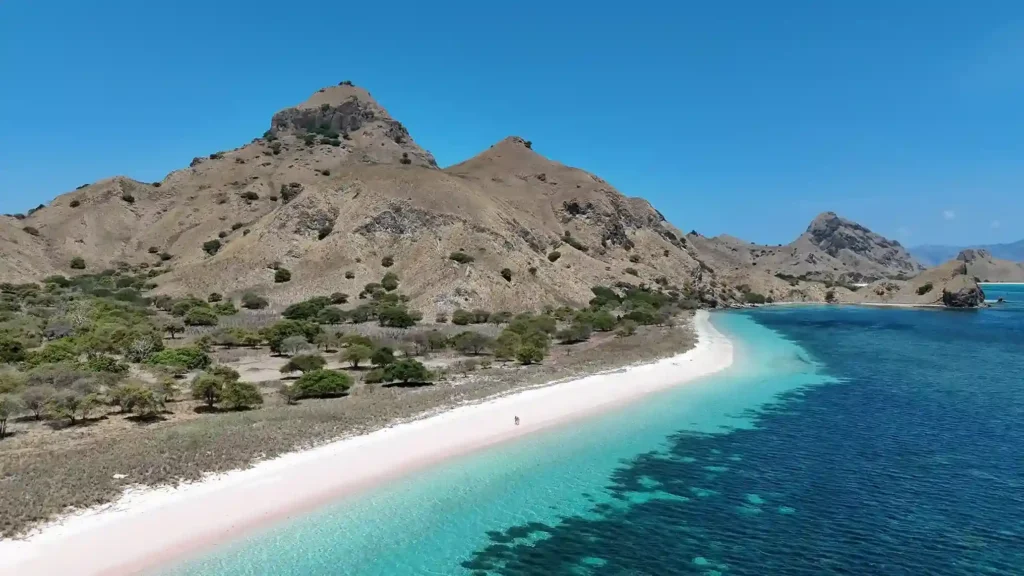
One of only seven pink sand beaches worldwide. The beach's distinctive rose-tinted sand results from microscopic red coral organisms (Foraminifera) mixing with white sand, creating an ethereal pink hue that intensifies near the waterline.

  • Swimming in crystal-clear turquoise waters
  • Snorkeling among vibrant coral reefs
  • Exceptional underwater visibility (20+ meters)
Gili Lawa

Gili Lawa

Actually two islands – Gili Lawa Darat (land) and Gili Lawa Laut (sea) – offering stunning viewpoints and exceptional diving sites. The surrounding waters feature strong currents that attract large pelagic species, making it a favorite among experienced divers.

  • Panoramic sunset and sunrise viewpoints
  • World-class diving with strong currents
  • Often included in liveaboard itineraries
Manta Point

Manta Point

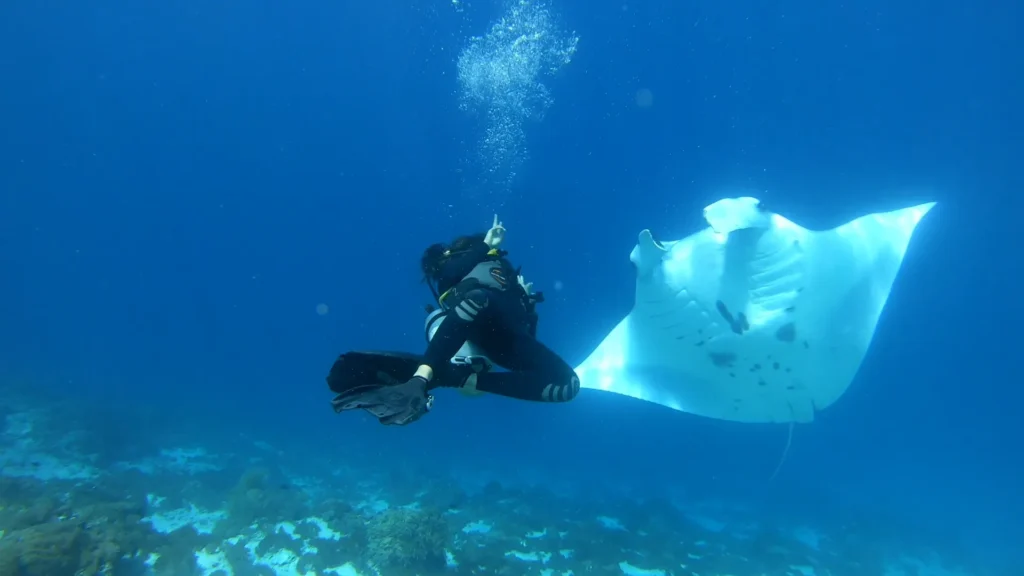
The premier location for manta ray encounters in Komodo National Park. This shallow cleaning station attracts manta rays year-round as they come to have parasites removed by smaller fish. The site offers both snorkeling and diving opportunities.

  • Year-round manta ray sightings
  • Shallow waters suitable for snorkeling (3-12 meters)
  • Multiple mantas often visible simultaneously
Kanawa Island

Kanawa Island

A small, peaceful island perfect for relaxation and snorkeling. Kanawa features white sand beaches, swaying palm trees, and house reefs accessible directly from shore. The island offers simple accommodations for those wanting to stay overnight within the park.

  • Excellent shore-entry snorkeling
  • Basic beach bungalow accommodations available
  • Perfect for families and beginner snorkelers
Marine Life

World-Class Marine Adventures

The park's most famous residents are komodo dragons (Varanus komodoensis), the world's largest living lizards. These remarkable reptiles can grow up to 3 meters long and weigh over 70 kilograms. With powerful jaws, venomous saliva, and exceptional hunting abilities, they've remained virtually unchanged for millions of years.

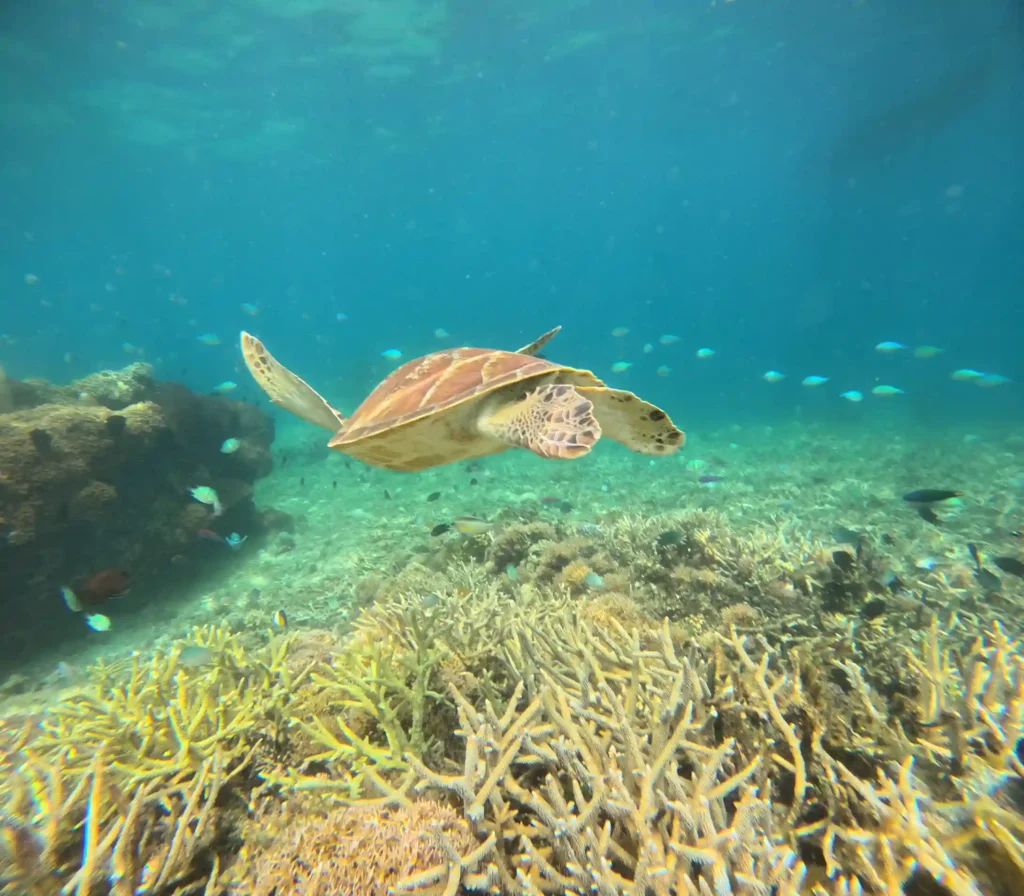
Komodo National Park's underwater realm rivals its terrestrial attractions. The park sits within the Coral Triangle, Earth's most biodiverse marine ecosystem, hosting 1,000+ fish species, 260+ coral species, and regular sightings of manta rays, reef sharks, sea turtles, and occasionally whale sharks.

5,000+ Komodo Dragons

All found within Komodo National Park - the only place on Earth

1,000+ Fish Species

Part of the Coral Triangle, Earth's most biodiverse marine ecosystem

World-Class Dive Sites

Manta rays, reef sharks, sea turtles, and exceptional coral gardens

Underwater Marine Life - World-Class Diving Destination
Getting There

Seamless Access to Paradise

Labuan Bajo on Flores Island serves as the gateway to Komodo National Park. All tours and boat trips depart from this coastal town. Boat tours range from day trips (8-10 hours, 2-4 destinations) to multi-day liveaboard excursions (2-7 nights).

Park entrance fees for foreign visitors: IDR 1,000,000 (weekday) to IDR 1,500,000 (weekend) per person. Tour operators typically include all fees in package prices. Independent access to the park is not permitted – all visitors must join guided tours with professional rangers.

Season Guide

When to Visit for Optimal Experiences

Dry Season (April - October)

Clear skies, calm seas, and optimal conditions for island hopping. This represents peak season for Komodo National Park tours. Minimal rainfall, best visibility for snorkeling, and easier trekking on islands. Peak months July-August require advance booking.

Best for: General Touring & Photography

Shoulder Season (April-May, September-October)

Excellent weather with fewer crowds and better prices on tours and accommodations. Great conditions, lower visitor numbers, better value, and still excellent diving visibility. More personalized experiences during this period.

Best for: Balance & Value

Wet Season (November - March)

Increased plankton blooms attract more manta rays, making it prime time for manta encounters. Fewer tourists, lower prices (30-40% discount), and lush green landscapes. Occasional rain and rough seas possible, but excellent for experienced divers.

Best for: Diving & Manta Rays
FAQ

Frequently Asked Questions

Everything you need to know about visiting Komodo National Park

What is Komodo National Park?

Komodo National Park is a UNESCO World Heritage Site in Indonesia comprising 29 islands across 1,733 square kilometers. Established in 1980 to protect komodo dragons, the park now safeguards one of Earth's richest marine ecosystems alongside these remarkable reptiles.

Where is Komodo National Park located?

Komodo National Park is located in the Lesser Sunda Islands of Indonesia, between the islands of Sumbawa and Flores in East Nusa Tenggara province. The park is accessed via Labuan Bajo on Flores Island.

How do I get to Komodo National Park?

Fly to Komodo International Airport in Labuan Bajo, Flores. From there, join organized boat tours (day trips or multi-day) departing from Labuan Bajo harbor. Independent access to the park is not permitted – all visitors must join guided tours.

Are komodo dragons dangerous?

Komodo dragons are apex predators and potentially dangerous. However, attacks on humans are extremely rare when proper safety protocols are followed. All park treks include professional rangers who ensure safe wildlife viewing. Visitors must maintain a minimum 5-meter distance and follow ranger instructions.

Can I see komodo dragons year-round?

Yes, komodo dragons are visible throughout the year. The best viewing times are early morning (7-9 AM) when they're most active, and during the dry season (April-October) when they're easier to spot in the open savannah.

What should I bring to Komodo National Park?

Essential items: Sunscreen (SPF 50+) and hat, comfortable hiking shoes, swimwear and reef-safe sunscreen, waterproof camera or phone case, seasickness medication (if prone), light breathable clothing, refillable water bottle, and snorkeling gear (or rent from tour).

Is Komodo National Park suitable for families?

Yes, many Komodo Island tours cater to families. Day trips typically include safe snorkeling spots, beach time, and guided ranger walks suitable for children. However, young children should be carefully supervised during komodo dragon viewing, and strenuous hikes like Padar Island may not suit all ages.

How much does a Komodo National Park tour cost?

Day trips: USD 50-150 per person (shared boat). Private day charter: USD 600-1,200 (group of 8-12). 2D/1N tour: USD 150-300 per person. 3D/2N tour: USD 250-500 per person. Liveaboard diving: USD 200-400 per person per day. Prices vary by boat type, group size, and inclusions.

Do I need diving certification for Komodo National Park?

For scuba diving, yes – you need PADI Open Water certification or equivalent. However, many shallow sites like Manta Point and Pink Beach are excellent for snorkeling and don't require certification. Most tours provide snorkeling equipment.

What's the difference between Komodo Island and Rinca Island?

Both islands host komodo dragons, but Rinca is closer to Labuan Bajo (2 hours vs 4 hours) and has higher dragon population density, offering more reliable sightings. Komodo Island is larger with more diverse terrain and more trekking options. Many tours visit both islands.

Plan Your Journey

Book Your Luxury Villa in Komodo National Park

Experience Komodo National Park from your luxury villa base in Labuan Bajo. Our concierge arranges private boat charters, diving excursions, and custom itineraries to help you discover this UNESCO World Heritage Site in comfort and style.

Instant Response
Secure Booking
Best Price Guarantee